
Tishk International University Explores Collaboration with the Public Aid Organization on Cultural Heritage and Peacebuilding Initiative
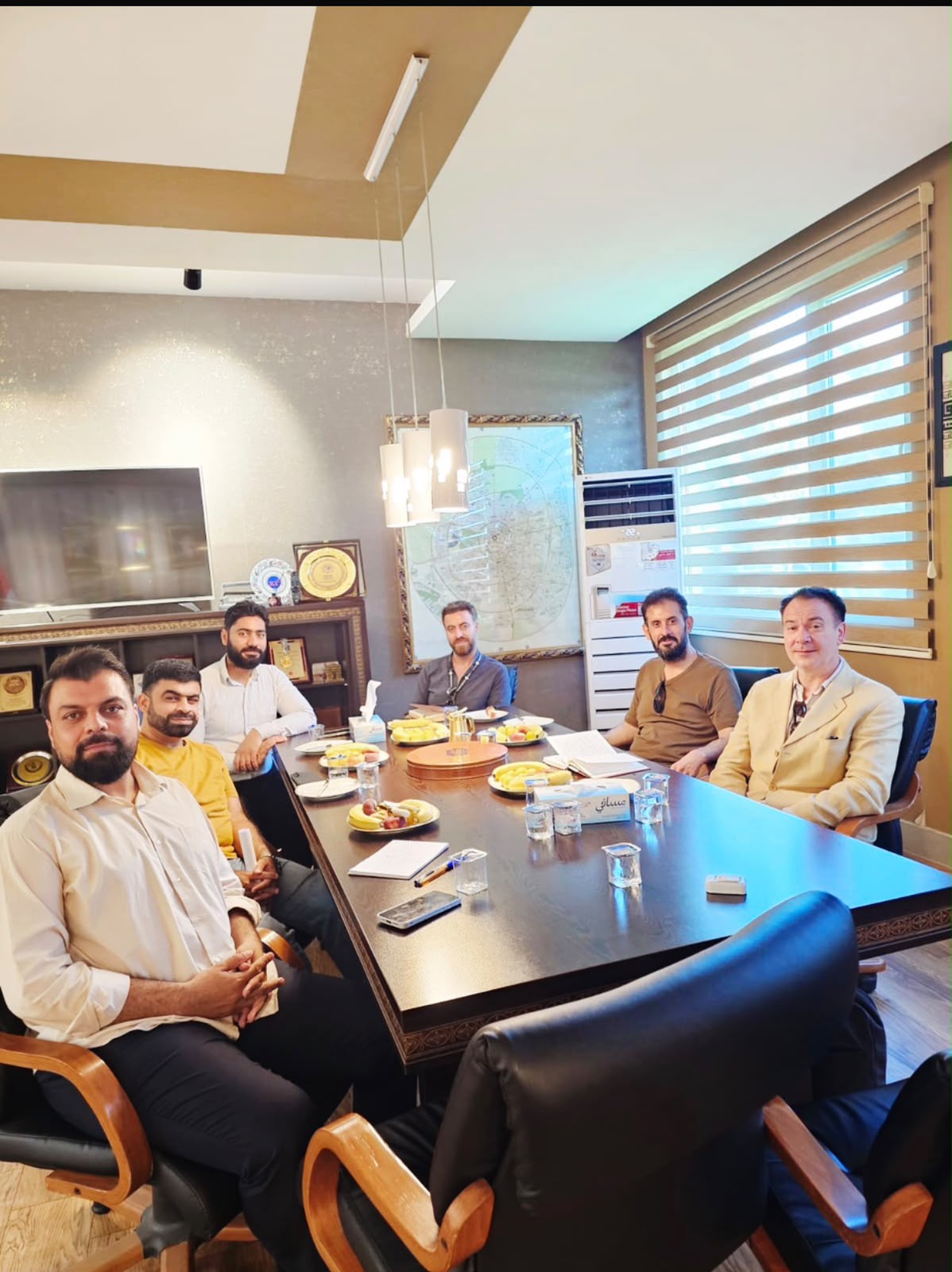
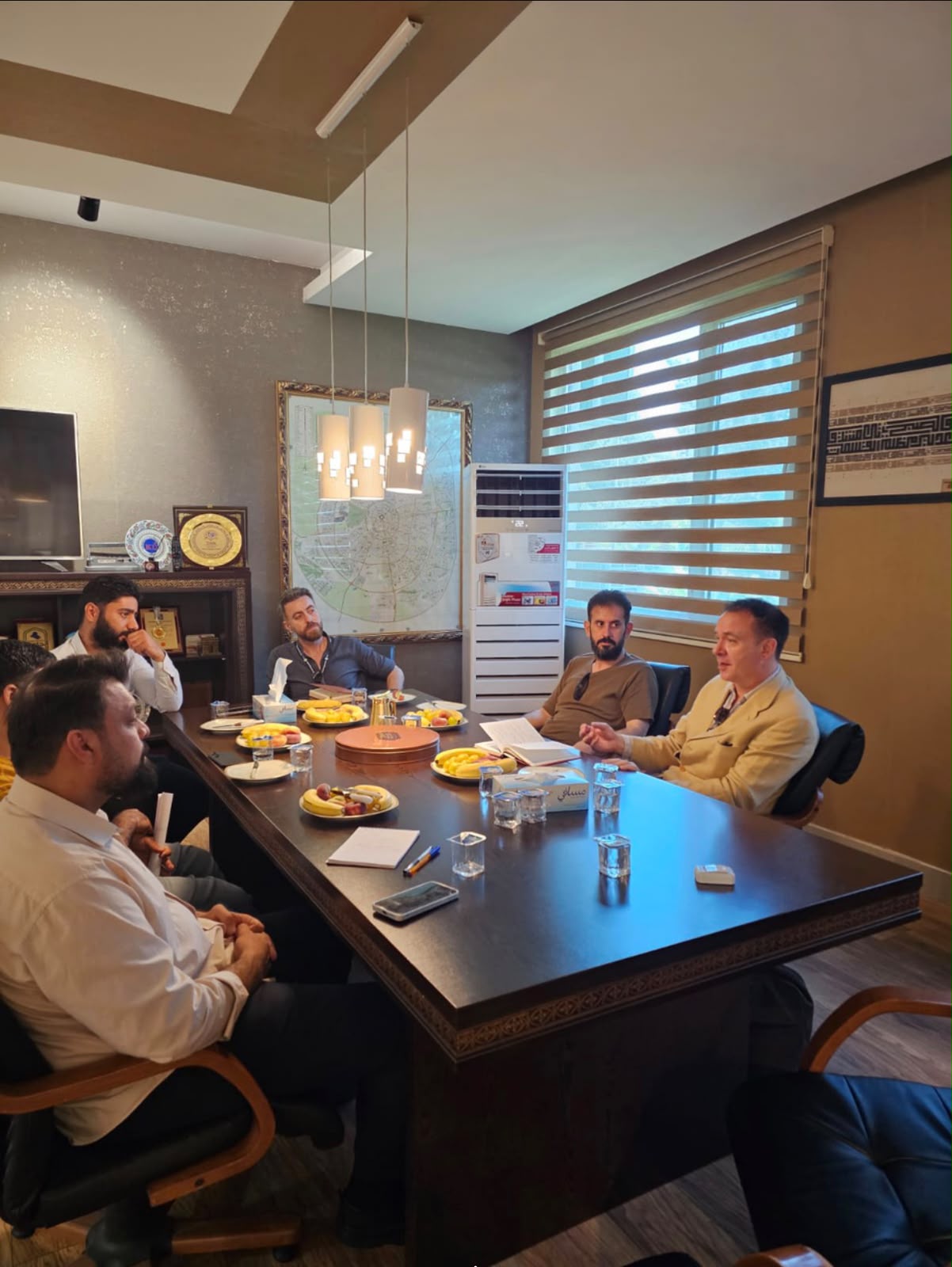
As part of its ongoing commitment to strengthening international and community partnerships, Tishk International University (TIU) hosted a coordination meeting with representatives of the Public Aid Organization (PAO) and international experts to discuss opportunities for collaboration on a proposed initiative focusing on cultural heritage, youth empowerment, and peacebuilding in the Kurdistan Region of Iraq. The proposed initiative aims to establish a regional consortium to enhance heritage collections, archive management, and community dialogue through academic and civil society cooperation.
The meeting brought together Mr. Dana Shamsaddin, Director of the International Relations Office; Mr. Rebaz Ali, Program Assistant at PAO; Mr. Alwand Talaat, Program Director at PAO; Mr. Simon W., International Expert in Peace Processes; Dr. Mohammed Sidiq, Head of the Faculty of Education; and Dr. Omer Farouk, Assistant Lecturer in the Business and Management Department.
During the meeting, participants exchanged ideas on the potential role of Tishk International University in supporting the initiative through academic expertise, student engagement, research collaboration, and capacity-building activities. Discussions also explored opportunities for organizing joint workshops, conferences, and community-based projects that promote cultural heritage preservation, intercultural dialogue, and youth participation.
The proposed project envisions collaboration among universities, civil society organizations, and international partners to develop sustainable strategies for protecting cultural heritage while fostering peace, inclusion, and social cohesion across the Kurdistan Region.
Tishk International University reaffirmed its commitment to contributing to impactful national and international initiatives that advance education, research, and community development. The meeting concluded with both parties expressing their willingness to continue discussions and identify practical areas of cooperation that will benefit students, researchers, and the wider community.